Emergency preparedness is a topic that rarely occupies the forefront of public consciousness until disaster strikes. Whether it is a natural calamity like floods or wildfires, or man-made crises such as power outages and chemical spills, the consequences often ripple through communities long after the immediate danger has passed. The need for robust educational workshops aimed at emergency preparedness cannot be overstated; these programs equip individuals and families with the knowledge and skills necessary to respond effectively when emergencies arise.
Understanding the Importance of Preparedness
The stakes involved in emergency situations are profound. Statistics suggest that nearly 60 percent of Americans have never participated in a drill or training for an emergency scenario. This lack of preparation can lead to confusion, panic, and ultimately loss of life or property when disasters occur. For instance, during Hurricane Katrina, thousands were caught off-guard due to inadequate planning and awareness. The aftermath revealed a tragic reality: those who were prepared fared better both physically and emotionally.
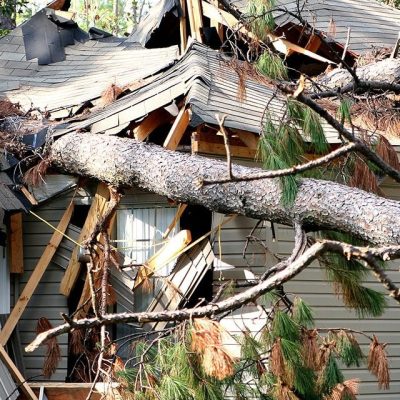

Educational workshops serve as a proactive measure to mitigate these risks. By focusing on practical skills and knowledge transfer, communities can foster resilience among their members. These workshops not only address specific emergencies but also promote a culture of preparedness that can save lives.
Identifying Target Audiences
When developing workshops centered on emergency preparedness, it is crucial to identify the target audience. Different groups within a community may have unique needs based on factors such as age, profession, and living conditions. For example:
- Families: Parents often seek training on how to secure their homes during disasters and what supplies are essential for survival. Elderly Individuals: Seniors may require special consideration regarding mobility issues or health concerns during emergencies. Schools: Children must be educated about safety protocols in a manner that is engaging yet informative. Businesses: Companies should focus on continuity plans and employee safety measures during crises.
Understanding these diverse needs allows educators to tailor content effectively, ensuring that participants walk away equipped with relevant skills.
Content Structure for Workshops
An effective workshop should provide actionable strategies alongside theoretical knowledge. This approach keeps participants engaged while ensuring they grasp critical concepts thoroughly. Here’s how you might structure the content:
Introduction to Emergencies: Start with an overview of potential local hazards—be it earthquakes in California or hurricanes in Florida—and discuss their historical context.
Risk Assessment: Teach participants how to identify risks specific to their environment. This could involve mapping out evacuation routes or understanding local emergency services.
Emergency Kits: Provide guidance on assembling an emergency supply kit tailored to different scenarios such as floods or power outages.
Communication Plans: Encourage families and groups to create communication strategies ahead of time so they can stay connected when separated.
Practical Drills and Scenarios: Engage participants by simulating real-life situations where they must apply what they’ve learned.
Incorporating hands-on activities enhances retention and encourages teamwork among participants—a key factor in successful emergency responses.
Engaging Local Experts
Partnering with local experts can enrich the content provided in these workshops significantly. Firefighters, paramedics, police officers, and disaster recovery specialists have invaluable insights into handling emergencies effectively. Inviting them as guest speakers adds authenticity while providing participants with firsthand knowledge from those who respond during actual crises.

For instance, Bloque Restoration offers restoration services for water damage incidents in Mesa, AZ. Collaborating with them could provide insights into common household emergencies related to water damage—an increasingly relevant issue given climate change impacts leading to severe weather patterns.
Furthermore, these experts can conduct demonstrations on using fire extinguishers or performing CPR, offering practical skills beyond theoretical discussions.
Utilizing Technology for Enhanced Learning
Incorporating technology into workshops can also elevate learning experiences significantly. Utilizing applications designed for emergency management or communication can empower attendees with tools that facilitate better preparedness practices.
Online platforms offer resources where individuals can create customized preparedness plans based on local risks while connecting them with real-time alerts about emerging threats in their areas.
Social media channels allow organizers not only to promote upcoming events but also share valuable information post-workshop—keeping engagement levels high even after participants leave the classroom setting.
Marketing Your Workshops Effectively
An essential aspect of any educational initiative involves marketing it effectively so that people are aware of both its existence and value. Here are some strategies that have proven effective:
- Community Partnerships: Collaborate with schools, community centers, local businesses, and non-profits who share similar goals regarding education focused on safety. Social Media Engagement: Use social media platforms creatively; post short videos demonstrating emergency preparedness tips which can go viral quickly if done well. Local Media Outreach: Reach out to newspapers and radio stations willing to cover events related to community safety—this will attract more attention than traditional advertising alone. Word-of-Mouth Promotion: Encourage past participants to share their experiences; testimonials often resonate more than any advertisement could convey.
By employing these marketing strategies thoughtfully, you increase awareness about your workshops while fostering community interest around vital topics like preparedness.
Measuring Success
Finally, evaluating the effectiveness of your workshops is paramount for continuous improvement over time. Gather feedback through surveys immediately after each session—questions should center around satisfaction levels regarding content delivery along with suggestions for future topics covered.
Consider establishing metrics such as participant retention rates (how many return for additional sessions) alongside follow-up assessments assessing knowledge retention several months later post-training sessions held previously.
These metrics provide invaluable insights into what works well while highlighting areas needing adjustment moving forward—ensuring your educational initiatives remain relevant over time amidst changing societal needs around emergency management challenges faced within communities today.
Conclusion
The importance of developing educational workshops focused on emergency preparedness cannot be understated; they empower https://jasperrdiu533.wpsuo.com/drafting-policy-recommendations-based-on-community-feedback-following-recent-floods individuals while fostering resilient communities ready for whatever lies ahead regardless if facing floods or fires—the key lies within preparation efforts made today impacting lives tomorrow positively!
By understanding audiences' unique needs combined with engaging content structured around practical skills taught alongside expert insights provides solid foundations upon which effective programs thrive! So consider taking steps toward organizing such initiatives locally—it just might make all difference when disaster strikes unexpectedly!
Bloque Restoration
1455 E University Dr, Mesa, AZ 85203, United States
+1 480-242-8084
[email protected]
Website: https://bloquerestoration.com